The AI Travel Itinerary Project
The AI Travel Itinerary Project represents ThinkJS’s work in building intelligent travel planning platforms that simplify how travelers discover destinations, organize activities, and create structured itineraries. The project focused on designing a scalable travel planning system capable of transforming fragmented travel information into structured day-by-day experiences that travelers can easily follow. Built with a product-first approach, the platform demonstrates ThinkJS’s expertise in TravelTech, AI-assisted planning, and scalable consumer platforms.
Project Overview
Industry
Travel TechnologyTravel Tech
AI travel planning platform with Experience planning
Project Type
Consumer Travel PlanningConsumer Travel Planning
Simplify the travel planning process for consumers
Engagement
End-to-End ProductEnd-to-End Product
Product Architecture, Platform Design, Engineering Advisory and End-to-End Product Delivery
Project Goal
Travel planning today is fragmented across multiple tools, websites, and apps. Travelers spend hours researching destinations, attractions, and experiences only to end up with scattered notes and incomplete plans.
The objective of the AI Travel Itinerary Project was to design a system that could:
- Simplify the travel planning process
- Convert destination research into structured itineraries
- Provide travelers with organized day-by-day travel plans
- Deliver an intuitive mobile-first experience for modern travelers
ThinkJS worked on creating a platform that combines destination discovery, itinerary structuring, and travel planning workflows into a single cohesive product.
The Problem
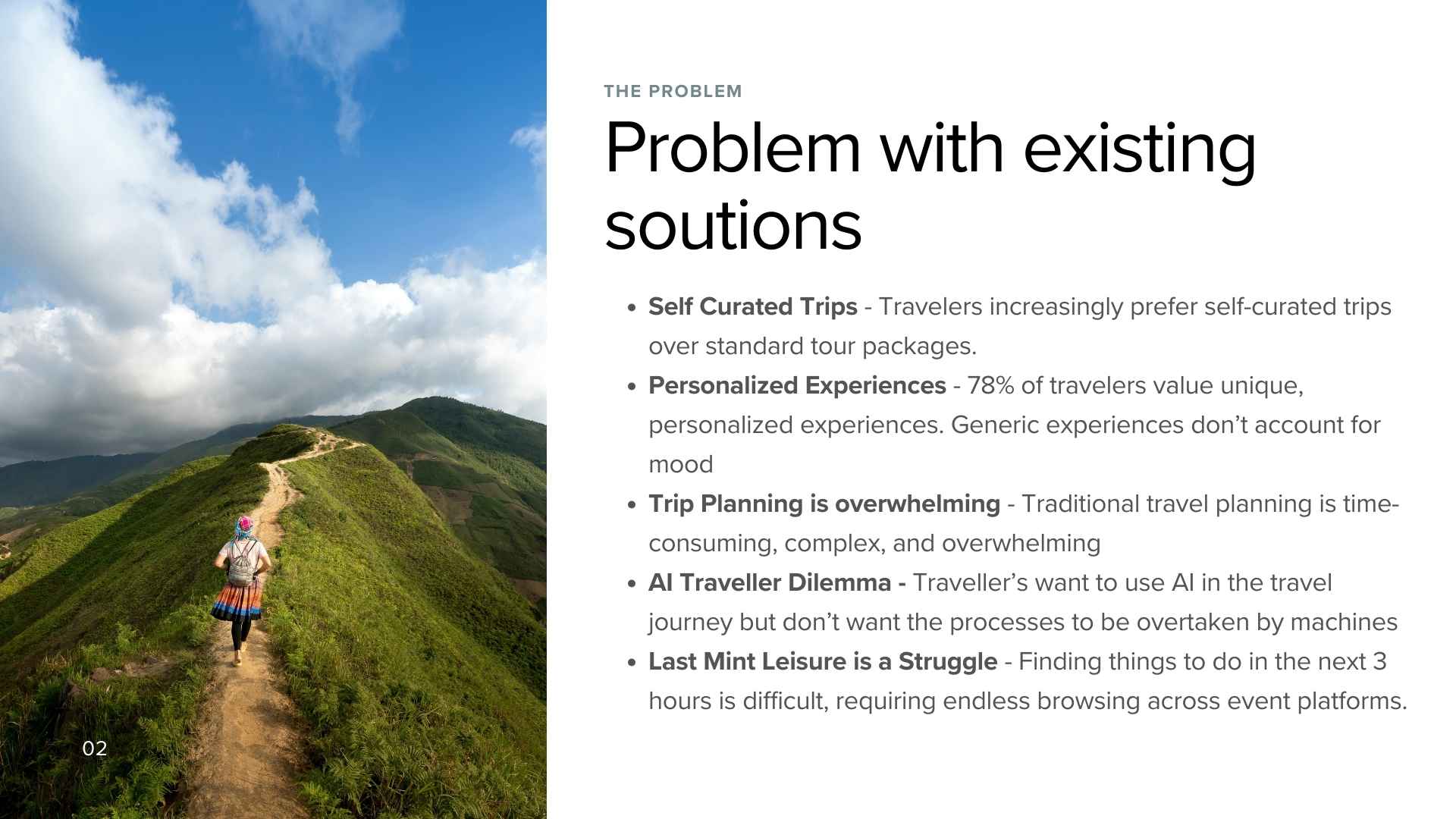
Travel planning often involves juggling multiple tools such as search engines, travel blogs, maps, spreadsheets, and note-taking apps. This leads to several challenges:
- Information Fragmentation – Travel information is scattered across many sources, making it difficult for travelers to organize their plans efficiently.
- Time-Consuming Planning – Planning even a short trip can take hours of research and coordination.
- Lack of Structured Itineraries – Travelers often end up with lists of places instead of structured daily plans.
- Poor Mobile Experience – Most planning tools are not optimized for mobile-first travel planning.
- Difficulty Managing Multi-Day Trips – Coordinating activities, travel times, and locations across multiple days can quickly become overwhelming.
These challenges presented an opportunity to design a platform capable of streamlining the entire travel planning workflow.
The Approach
ThinkJS approached the problem from a product engineering perspective, combining user experience design with platform scalability. The key principles guiding the solution included:
- Mobile-First Product Design
- The platform was designed with a mobile-first mindset, ensuring travelers could easily build and manage itineraries directly from their smartphones.
- Structured Travel Planning
- Instead of storing unorganized notes or bookmarks, the system structures travel plans into clear day-by-day itineraries.
- Experience-Driven Planning
- The platform focuses on travel experiences rather than just locations, allowing users to organize attractions, activities, and travel routes in a meaningful sequence.
- Scalable Platform Architecture
- The underlying architecture was designed to support future capabilities such as:
- AI-assisted itinerary generation
- destination intelligence
- travel recommendations
- personalized planning
- The underlying architecture was designed to support future capabilities such as:
Platform Capabilities
The platform demonstrates several TravelTech capabilities that ThinkJS specializes in building.
Intelligent Itinerary Creation
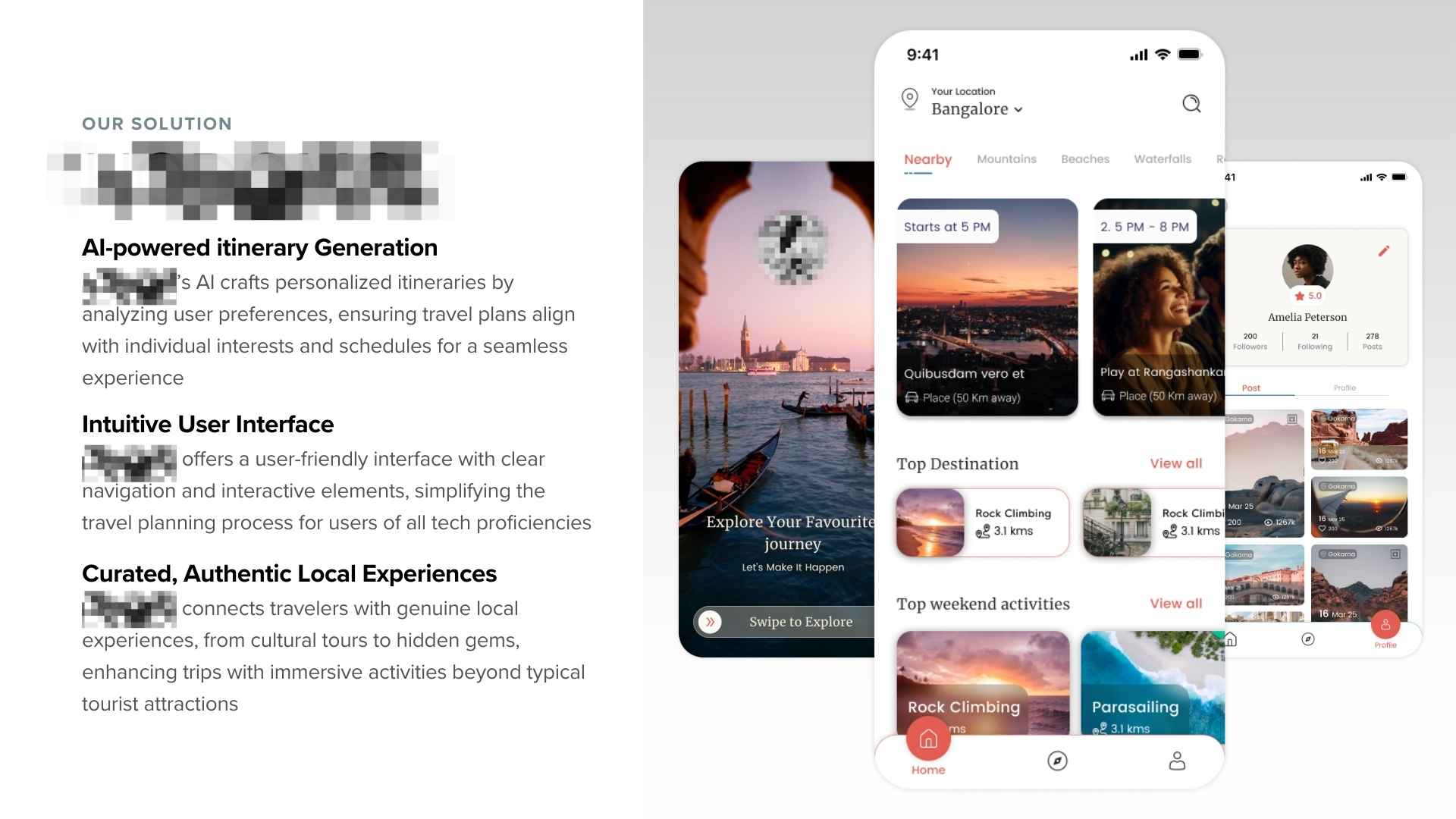
Users can build travel plans by selecting destinations and organizing attractions into daily travel flows. The platform helps structure trips into manageable day-by-day plans, making travel easier to visualize and execute.
Destination Discovery
The platform supports exploration of destinations, helping travelers identify places worth visiting during their trip.This discovery layer connects destination information with the itinerary-building workflow.
Day-by-Day Trip Planning
Travelers can organize their activities across multiple days, creating a clear timeline for their trip. This allows travelers to see exactly what their trip will look like from start to finish.
Activity Organization
The platform allows users to add attractions, experiences, and activities into a structured itinerary format. Activities can be grouped and organized to create logical travel sequences.
Visual Trip Planning
A key focus of the platform is providing travelers with a visual understanding of their trip plan. Users can easily review their itinerary and adjust plans as needed.
outcomes
The AI Travel Itinerary Project demonstrates how structured product engineering can simplify complex consumer workflows such as travel planning.
The platform showcases how thoughtful product design can:
- reduce travel planning friction
- improve trip organization
- enhance traveler confidence
- deliver better travel experiences
For ThinkJS, the project highlights the company’s ability to design and build consumer-grade digital platforms in the TravelTech domain.
Travel Technology Expertise
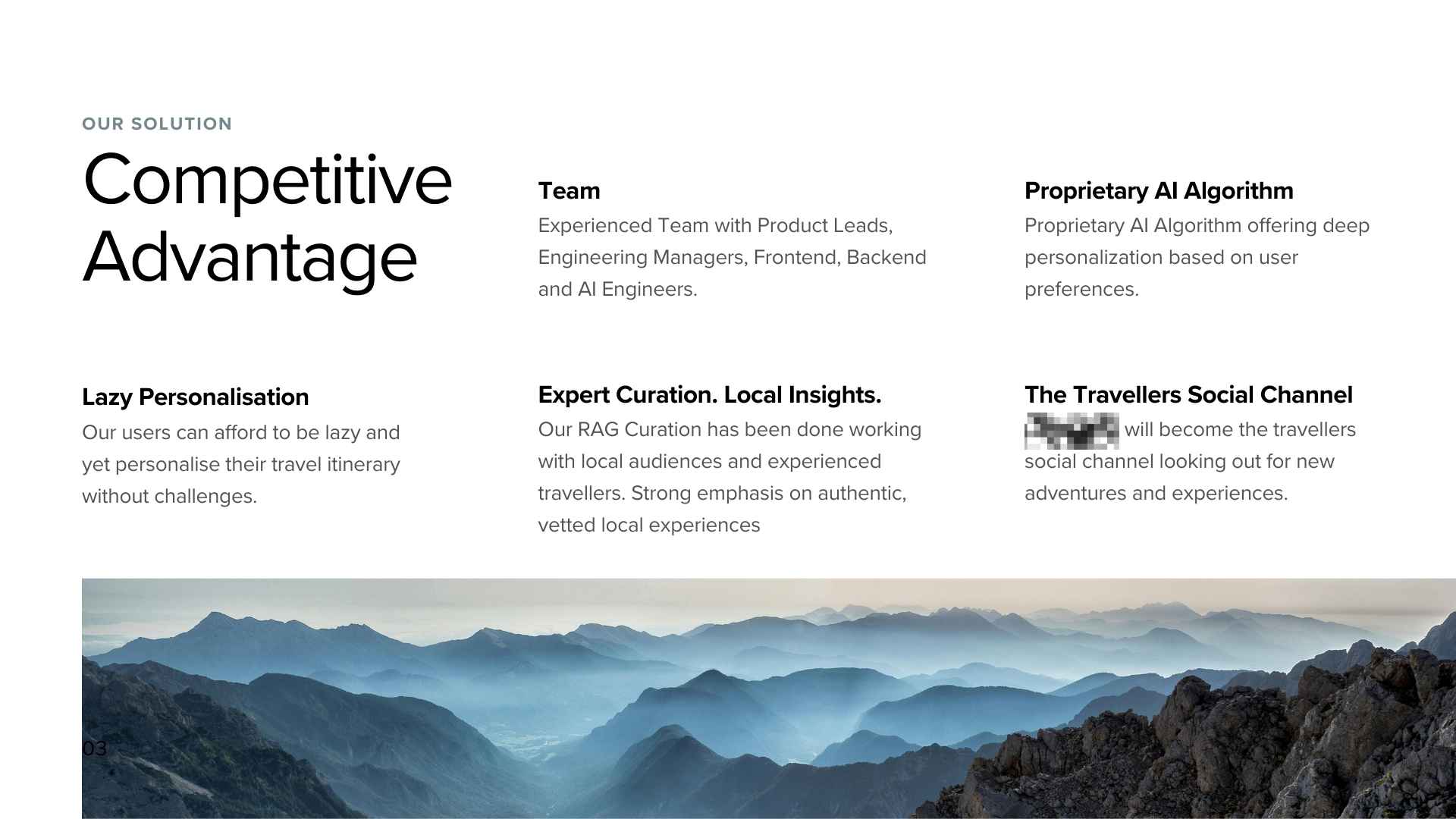
Through projects like this, ThinkJS continues to expand its expertise in TravelTech product development and intelligent planning systems. Our work in this space focuses on building platforms that combine:
- travel discovery
- structured planning
- intelligent recommendations
- scalable consumer applications
As travel platforms continue to evolve toward AI-assisted experiences and personalized travel journeys, ThinkJS helps companies design the systems that power these next-generation travel products.
Looking to Build a Travel Platform?
If you are building a travel planning platform, travel marketplace, or destination discovery product, ThinkJS can help bring clarity to the engineering and product architecture. We work with startups and product companies to design scalable digital platforms that transform complex user journeys into intuitive experiences.
Product Thinking - Platform Engineering - AI implementation